
Rate hike pace likely to slow
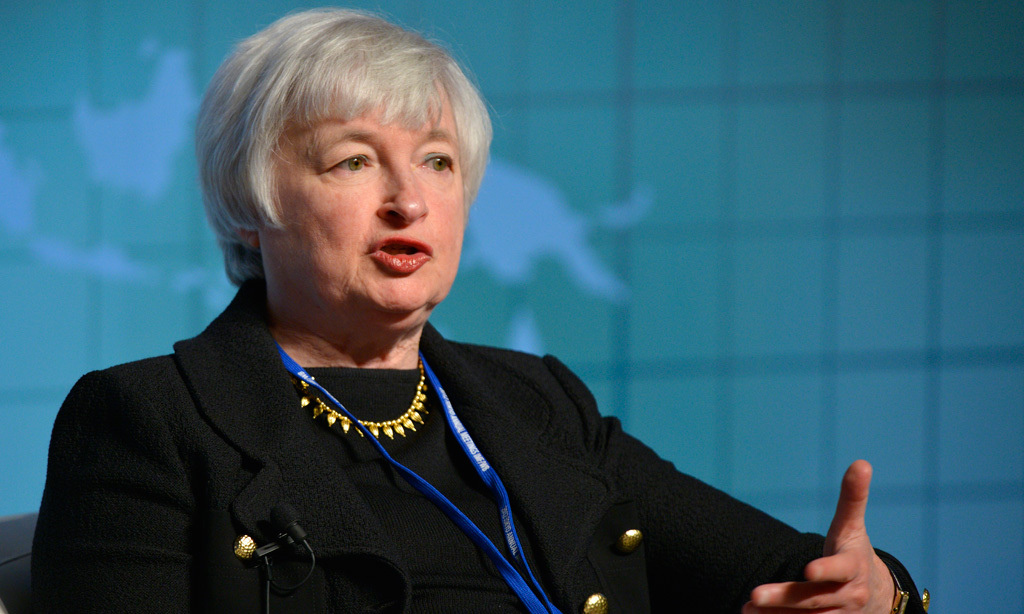 In her twice-yearly testimony congress, Fed Chair Janet Yellen, yesterday brought a realistic view on interest rates to the table.
She sees the economy as sufficiently healthy to sustain further rate hikes but views a benign inflation outlook providing less leeway to the FOMC.
Inflation data is due to be released in the U.S. tomorrow and it is likely that Yellen had an “advance copy” of the report prior to her testimony.
The timetable for the Fed to reduce the size of its balance sheet bloated by the purchase of Government bonds to stimulate activity and pump liquidity into the market at the height of the financial crisis is also subject of some discussion.
Yellen is up for re-election in January and it is unclear whether she wishes to continue in the role. That decision may be taken away since President Trump has “blown hot and cold” in her performance. Of course, trying to comply with Trumps flip-flops on the amount of stimulus the economy requires is a thankless if not impossible task.
The Bank of Canada, as widely expected, raised interest rates for the first time in seven years pushing the CAD to a thirteen-month high at 1.2680. The other currencies of the dollar bloc, the AUD and NZD also saw buying interest.
Broadbent in dovish mood
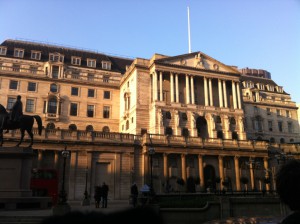 Ben Broadbent the Bank of England’s Deputy Governor for Monetary Policy joined the side of the cautious yesterday as he commented that he is “not ready to vote for a rate hike just yet”.
Echoing the cautious tone of his boss, Governor Mark Carney, he is pleased for the discussion to take place but feels that the headwinds of inflation and poor sentiment indexes means that a rate hike is too big a risk.
The MPC is made up of nine members (although right now there are only eight). There are five from the bank and four independent members. The Governor his three divisional deputies (Monetary Policy, Financial Stability and Markets & Banking and Chief Economist are the banks members. It is perhaps telling that apart from the Chief Economist who is wavering in his view of a hike, the dissenting voices each come from the “independent membership”
Yesterday’s U.K. employment report showed that the number of jobless was at its lowest in more that forty years. The headline figure is subject to so much massaging from the Government given its status as a “political football” that is not comparing like for like.
The gig-economy, zero hours contracts, the definition of the ability of people to work and the young being put on training schemes in order that the Government can avoid calling them unemployed are all schemes to avoid the reality of the jobless figure.
The pound was hardly changed against the dollar although it gained against the Euro as traders saw a chance to take profit on a recent rally for the common currency which had been rising steadily recently.
Inflation data to drive policy
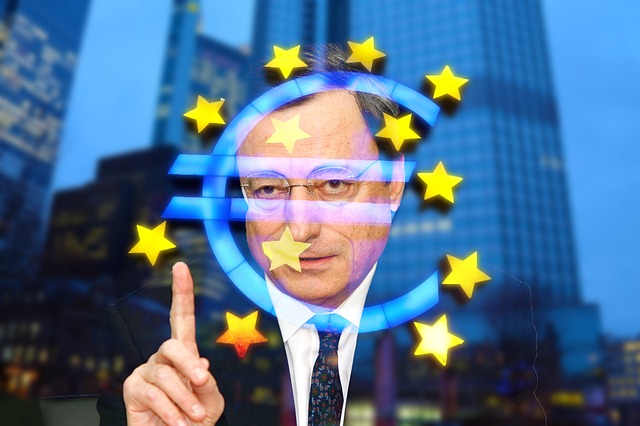 In the U.S., U.K., and Eurozone, inflation is becoming a hot topic.
In the U.S. there is disagreement about whether inflation is an issue at all. Fed members seem to be fitting the data to the story rather that the other way around. It is such a long time since they had to deal with inflation, it looks like they have forgotten what is high or low inflation. The whole economic cycle has been thrown into something close to disarray as unusual actions have spawned irregular reactions.
In the U.K. there is less doubt about inflation. It is way above the Government’s 2% target. Next week’s report for June could easily see inflation above 3%! The issue facing the MPC is what would a rate cut do to economic growth which is already slowing and sentiment both corporate and individual which is getting ever closer to falling off a cliff?
In the land of milk and honey, as the Eurozone is now coming close to being called, the inflation outlook is concerning ECB President Mario Draghi for a wholly different reason. He is struggling to find any inflation and until he does, rates remain on hold. In a refreshing burst of realism which shows his appreciation of his mandate, Draghi is not prepared to sanction a rate rise since he feels that would create inequality in region that is still developing its reactions to changes in monetary policy.